
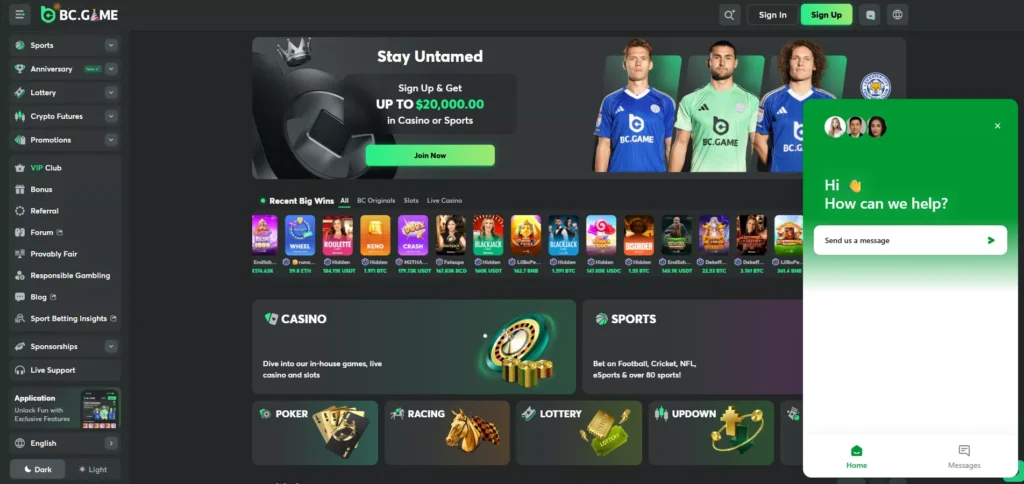
If you are looking for a BC Game Download iOS option, start by using the official source listed at bc game download ios. This guide explains how to install the app on iPhone and how to complete setup steps safely. Before you begin, confirm that your device meets the requirements for the iOS version you are using. Also check that you have a stable Wi‑Fi connection so downloads and updates complete without interruption. If you have installed similar apps before, you may recognize the process, but you should still follow each step carefully. For convenience, you can also access the same page using https://bcplaytime.com/ios/ during installation.
Prerequisites for iOS Installation
Before installing, verify the iPhone model and iOS version are compatible with the app package you plan to install. Ensure that you have enough free storage for the download and any related files that iOS may store temporarily. It is also important to review your current network connection and avoid switching networks mid-download. If you use a corporate or managed device, confirm that app installation permissions are allowed. You should also have access to your email or account details in case you need to sign in after installation. Finally, keep the device charged or connected to power to reduce the chance of interruptions.
Check Device Settings and Permissions
Open the iPhone Settings app and confirm that general app installation permissions are enabled for your device type. If you have previously installed profiles, review whether they are still valid and not conflicting with new installation steps. Some iOS versions require you to trust a developer profile after installation, so plan to complete that step when prompted. Also make sure that your browser has permission to download files and that any download blockers are disabled. If you are using Safari, keep the tab open until the download begins and completes. After the install finishes, return to Settings if you need to complete the trust workflow.
Downloading BC Game on iOS
To download the iOS app, open the official download page and locate the iOS installation option. Tap the button to start the download, then follow any on-screen prompts from your browser. Depending on your iOS version, the file may download and then open an installation prompt automatically. If the prompt does not appear, check your Downloads area or the browser’s download status. Make sure you are downloading the correct iOS build, especially if the page lists multiple options. After the installation prompt appears, proceed to the install step without closing the prompt.
Install the App from the Download Prompt
When the installation prompt appears, select the install option to begin adding the app to your iPhone. iOS may ask for confirmation, including verifying the developer or app source. Wait for the progress indicator to complete before you leave the screen. If installation fails, restart the download process and ensure you have not switched networks. After the app is installed, you may still need to complete a trust step in Settings. Keep the device awake until the installation is fully finished.
Trusting the App and Completing Setup
After installation, iOS typically requires that you trust the developer profile for the app to run. Open Settings on your iPhone and go to the section for device management or profiles. Locate the profile associated with the app and select the trust option. Confirm your choice when iOS asks for verification. Once trust is complete, return to the home screen and open the app to confirm it launches normally. If the app does not open, re-check that the correct profile was trusted and that the trust step completed successfully.
Sign In and Configure Basic Options
When the app opens, you may be asked to sign in or create an account depending on your prior activity. Use the same account details you would use on other supported platforms if you have them. After signing in, review any initial settings such as notifications and account preferences. If the app includes location or device prompts, only enable what you understand and need for functionality. Check that your profile loads correctly and that the main interface responds without errors. If you encounter a login issue, ensure your network is stable and try again after a short wait.
Security Checks After Installation
After setup, perform basic security checks to reduce the risk of interruptions or unexpected behavior. Confirm that the app you installed is the one you intended and that it appears under the same name on the home screen. Avoid downloading from unofficial links or third-party app stores, since iOS installation processes can vary by source. If iOS displays any warnings about profiles or certificates, review them before proceeding. Keep your iPhone updated when possible because system updates can improve app compatibility. Also consider using a strong device passcode so only authorized users can access the app.
Verify App Permissions and Notification Settings
Open the iPhone Settings app and review permissions related to the BC Game app. Check whether notifications are enabled if you expect alerts, and disable them if you prefer fewer prompts. If the app requests access to features such as contacts, location, or camera, review whether those features are required for your use. You can usually adjust permissions at any time from Settings, so start with the options you understand. If permission changes affect app behavior, restart the app and confirm that the correct settings are applied. Maintaining consistent permissions helps prevent repeated prompts or unexpected access requests.
Troubleshooting Common Installation Issues
If installation does not complete, the most common cause is an unstable network or an interrupted download. Restart the iOS download process from the official page and keep the browser session active until completion. If the app installs but fails to launch, confirm that you completed the trust step in Settings. Some issues also occur when iOS blocks the profile due to missing verification steps, so double-check the profile trust workflow. If you experience repeated failures, reboot the iPhone and try again using the same official download method. When troubleshooting, avoid repeatedly tapping multiple installation prompts, since that can lead to partial installs.
Address Trust and Launch Errors
For trust errors, open Settings and locate the relevant profile section to ensure the correct profile is trusted. If you see multiple profiles, trust only the one that corresponds to the app you installed. After trusting, wait a moment and then return to the home screen to launch the app again. If the app still does not open, remove the app and reinstall using the official download page. This approach clears any incomplete installation state on the device. If the problem persists after reinstalling, consider checking for iOS updates and trying again once the system update is complete.
Updating and Maintaining the App on iOS
To keep the app current, return to the official iOS download page when updates are available. iOS may not provide automatic updates for apps installed via profiles, so manual checking can be necessary. When an update is available, download the new version and follow the same install prompt steps as before. After installation, re-check the trust status to ensure the updated build is allowed to run. Confirm that your account remains signed in or sign in again if required by the update. Keeping the app updated supports better compatibility and can improve stability.
Manage Storage and Performance
If the app runs slowly, check available storage on your iPhone and free space if needed. Large updates and temporary files can consume storage during installation, which may affect performance. Close other apps in the background if your device has limited memory and try launching the app again. If you notice frequent crashes, ensure your iOS version is up to date and reinstall the latest build from the official page. You can also review permissions and disable any features you do not use. Consistent device maintenance helps reduce repeated issues after updates.
