
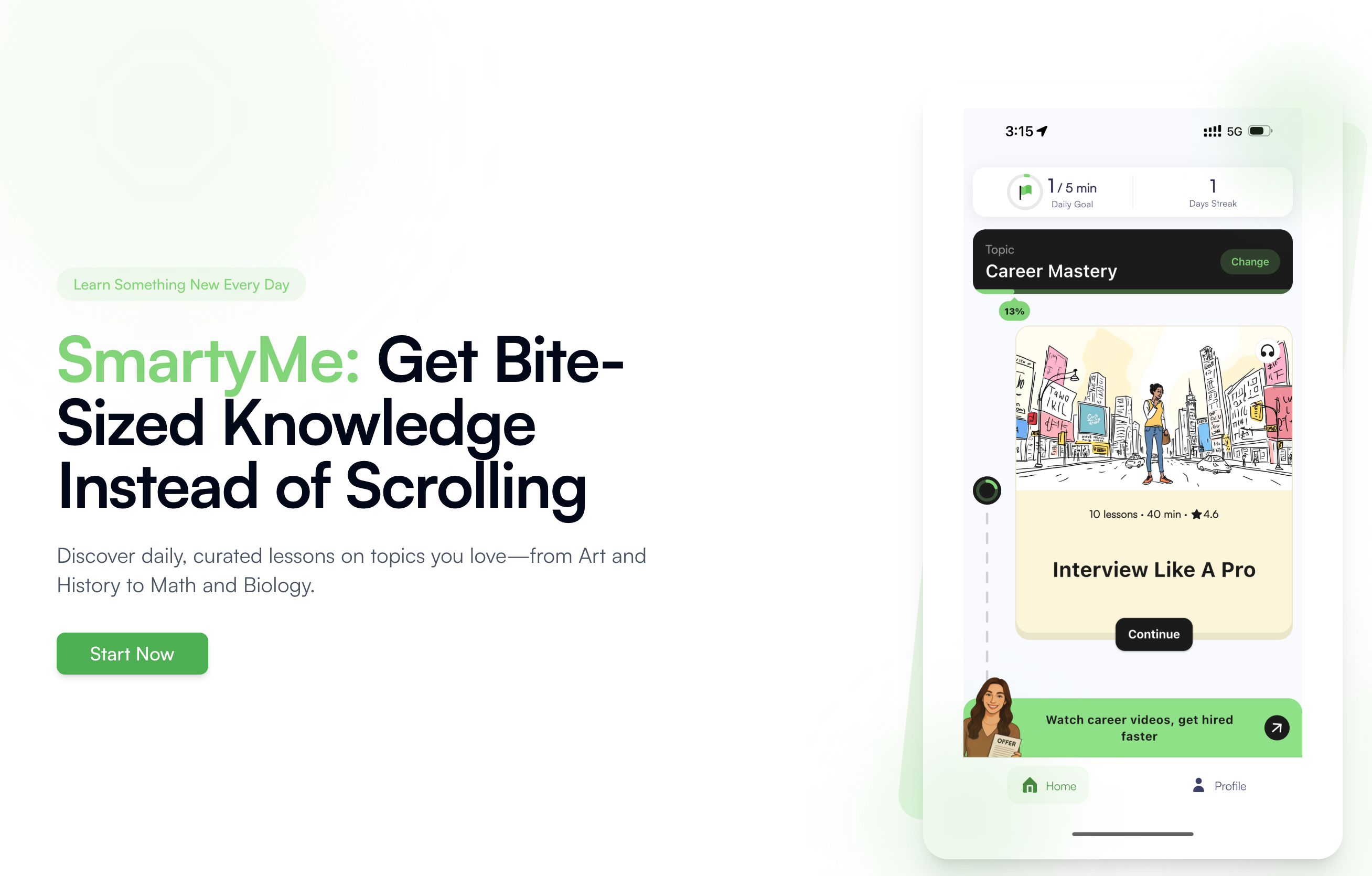
The phrase "one lesson a day" sounds modest enough that it's easy to dismiss. Fifteen minutes isn't a study session - it's barely longer than the line at a coffee shop. But the math behind small daily habits is what makes them interesting: a single 15-minute lesson five days a week adds up to about 65 hours of learning over a year, which is more than most people actually do despite intentions to "study more." Apps like SmartyMeapp are built around this idea - that consistency does more than intensity over time, and that the rhythm matters more than the duration of any single session.
What "One Lesson a Day" Actually Looks Like
The first thing to understand about a daily learning habit is that it doesn't feel like learning in the way longer courses do. There's no syllabus, no set finishing line, no external pressure to get through material by a deadline. A 15-minute lesson finishes before you've had time to settle into "study mode," which is the point. The format is designed to slip into the gaps of a normal day rather than demanding its own dedicated slot.
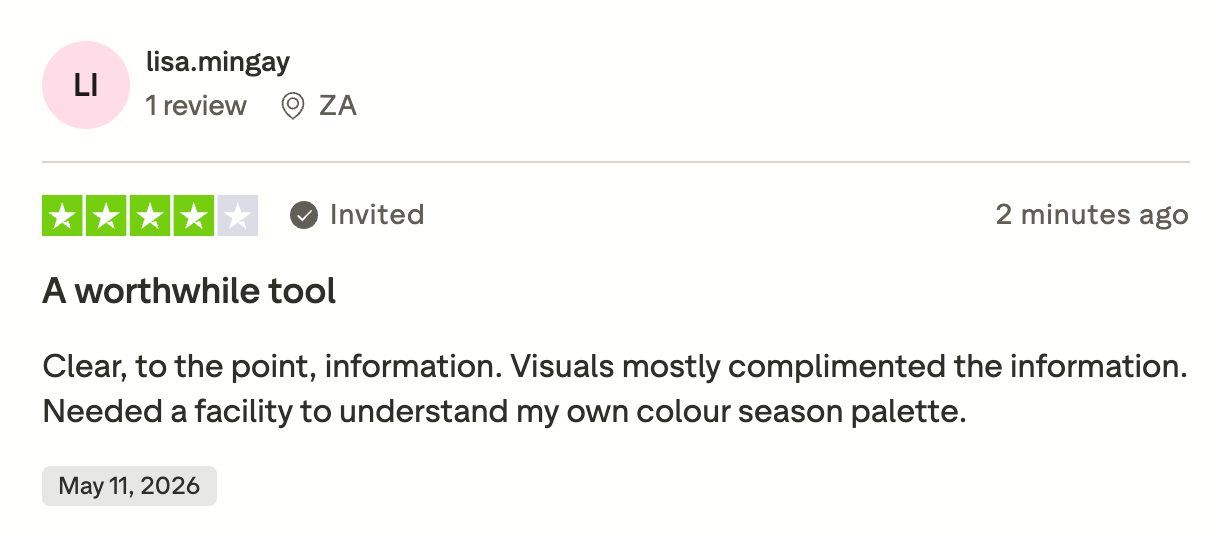
In practice this means a lesson tends to happen during transitional moments - morning coffee, the start of a commute, a five-minute pause between tasks. The 20 topics across 203 courses and 1064 lessons available as of April 2026 give enough variety that each session can feel different, which keeps the habit from becoming repetitive. The app currently has a 4.6 rating in the US App Store and 4.1 on Trustpilot (April 2026), and a lot of the positive reviews specifically mention how natural the format feels once it becomes part of a routine. For anyone who relies on user reviews before subscribing, this Trustpilot feedback is one of the recent examples.
How a Daily Habit Builds Without You Noticing
The interesting thing about daily habits is that the effect compounds in ways that aren't visible day to day. Doing one lesson on Tuesday doesn't feel like progress. Doing one Tuesday and one Wednesday doesn't either. But three months in, the pattern has shifted - you've gone through dozens of topics, retained more than you'd expect from passive reading, and started noticing connections between subjects that didn't seem related at first.
For new users curious about how to start without overthinking it, the official Smartyme community on Reddit has a pinned post that walks through the basics: https://www.reddit.com/r/Smartymeapp/comments/1qp7lr5/welcome_to_rsmartymeapp_you_can_start_here/. The recommended approach is straightforward - pick one topic, do one short lesson per day, don't try to make up for missed days by doing several at once. This advice sounds simple because it is, and that simplicity is part of why it tends to stick.
Why Small Daily Beats Long Weekly
There's a reason "one lesson a day" tends to work for many people who try it. Spaced repetition is a well-established principle in learning research - material reviewed regularly across days tends to stick better than the same material covered in a single concentrated session. Microlearning leans on this same idea. The format isn't built around cramming or completion; it's built for steady accumulation.
The other practical advantage is that 15 minutes is too short to feel like a sacrifice. A longer session has to compete with everything else in your day, which makes it harder to start. A 15-minute window fits into existing gaps without displacing anything important. This sounds obvious, but it's the difference between a habit that lasts and one that quietly fades after the first busy week.
What Changes After a Few Months
Doing one lesson a day for several months produces specific kinds of small differences that show up in everyday situations:
- Conversational range - knowing a little about more topics makes general conversations easier and more interesting.
- Pattern recognition - concepts from one subject (like cognitive bias from psychology) start showing up in others (like decisions in personal finance).
- Sustained curiosity - small daily exposure keeps interest alive without the fatigue that comes from long study sessions.
- Reduced perfectionism - when missing one day costs nothing significant, the all-or-nothing mindset loses its grip.
These aren't dramatic transformations. They're the kind of slow shifts that look unimpressive in a single month but add up to something genuine over a year.
The Mindset That Makes It Work
The single biggest factor in whether daily microlearning works for someone isn't the app itself - it's the relationship the user has with the streak. Treating one lesson a day as a goal works. Treating a missed day as a failure that ruins everything doesn't. The entire point of small habits is that they survive imperfect execution. Miss a day, miss two, miss a week - none of it cancels the months of consistency before or after.
For someone considering whether daily learning fits their life, the honest test isn't whether they can do it perfectly for the first week. It's whether they can come back to it on day eight after missing day seven, without dramatic feelings about it. That ability is what separates habits that last from intentions that don't. The app supports this approach by keeping the daily goal small and the streak system non-pushy, but the mindset has to come from the user.
